Renovation dust doesn't behave like household dust. It's fine, it's everywhere, and it settles back out of the air for days after the builders pack up. A proper post-construction clean is a different job to a standard deep clean — here's what it actually involves.
Why builder dust needs a different approach
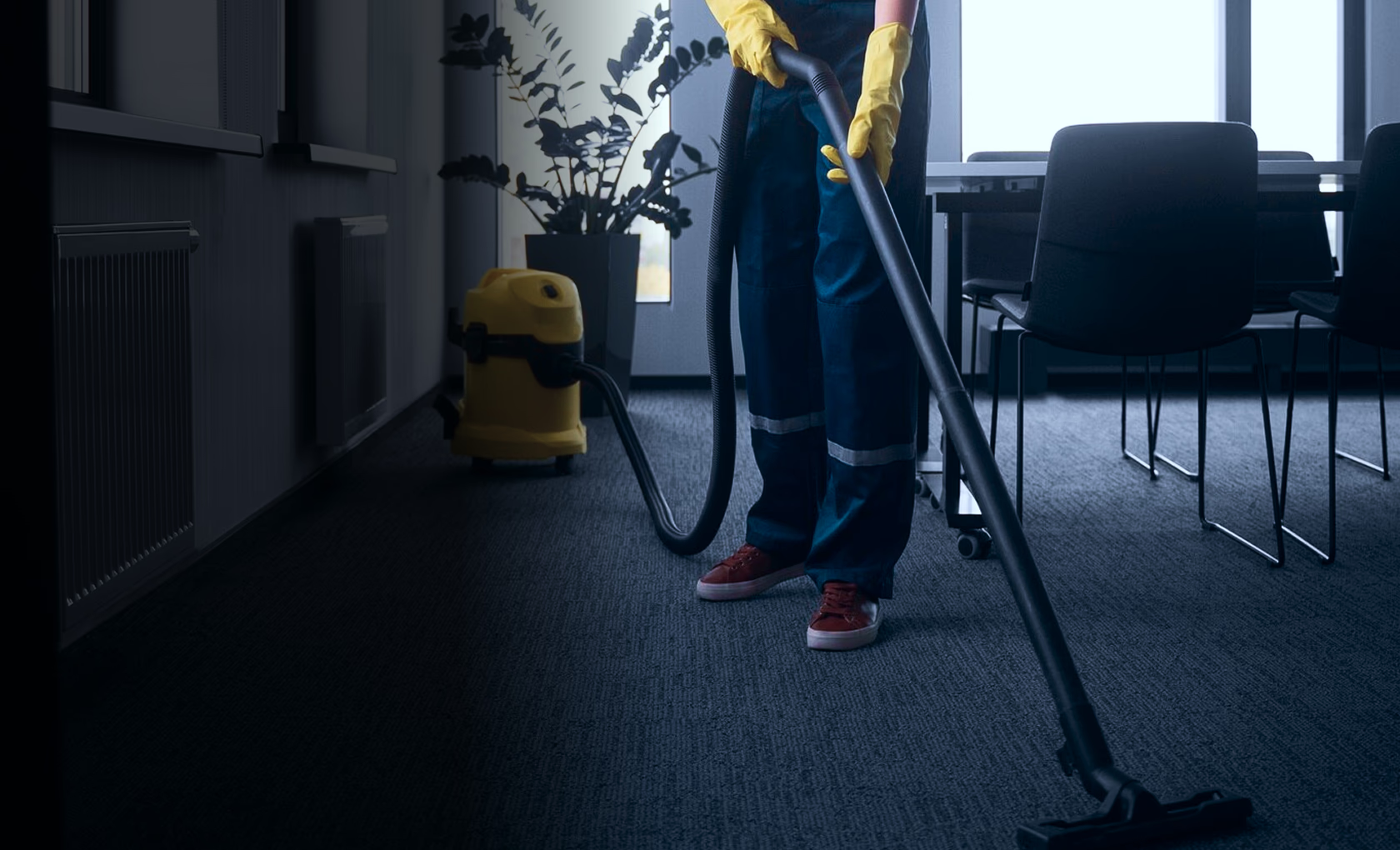
Cement and plaster dust is abrasive and static-charged, which means it clings to walls, light fittings and vents rather than settling neatly on the floor. Cleaning it with a standard mop-and-wipe approach just moves it around. Post-construction cleans use a specific top-to-bottom sequence and dust-rated equipment to actually remove it.
The three phases
Phase 1 — Rough clean: Bulk debris, packaging, tape residue and protective film removed. Vents and light fittings vacuumed first so dust falls before surfaces are wiped.
Phase 2 — Detail clean: Every surface wiped down including skirtings, window frames, cupboard interiors and behind appliances. Paint splatter removed from tiles, glass and fittings.
Phase 3 — Final polish: Floors sealed or polished, glass and mirrors streak-free, all surfaces move-in ready.
Timing tip
Residential vs. commercial sites
- Residential: focus on kitchens, bathrooms and finished flooring
- Commercial: added attention to glass partitions, reception areas and high-traffic entrances
- Both: HVAC vents and light fittings checked for settled dust before handover
Building work just wrapped up?
Get your site inspection-ready before move-in day.
Whether it's a full renovation or a single-room refurb, a proper post-construction clean is what turns a building site back into a home — without you breathing in the last of the dust doing it yourself.